


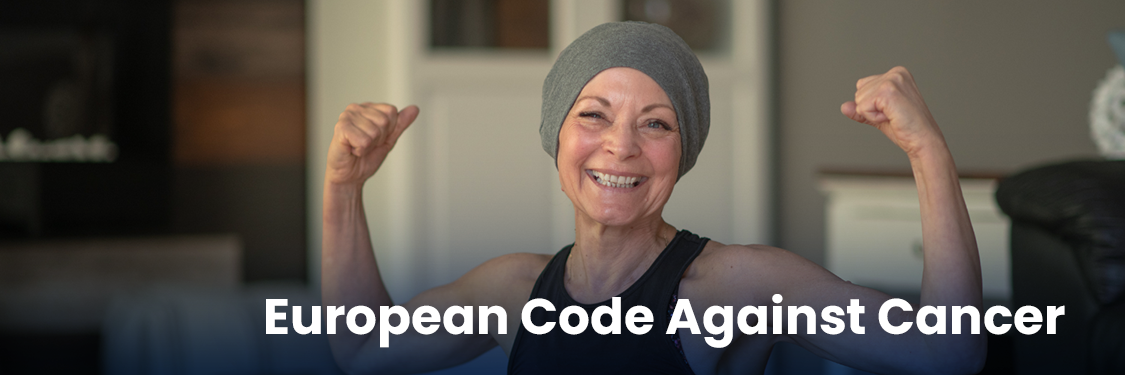
What if preventing cancer could start with simple changes in your everyday life and effective policy action? That’s the idea behind the European Code Against Cancer, an initiative of the European Commission first launched in 1987 to help people across Europe make informed decisions that reduce the risk of cancer.
Now, a new and improved version is here. The fifth edition of the European Code Against Cancer (ECAC5) was developed by the International Agency for Research on Cancer (IARC), the cancer agency of the World Health Organization (WHO), together with leading European scientists. Backed by the latest evidence, this updated Code translates cutting-edge science into clear, practical steps that people – and policymakers – can take.
Empowering you to take action
The European Code Against Cancer consists of 14 easy-to-understand recommendations that people can follow without any special skills or advice. The Code tackles key cancer risk factors, including smoking, overweight and obesity, unhealthy diets, alcohol, sun exposure, air pollution, and cancer-causing factors at work.
The more recommendations you take to heart, the lower your risk of cancer will be.
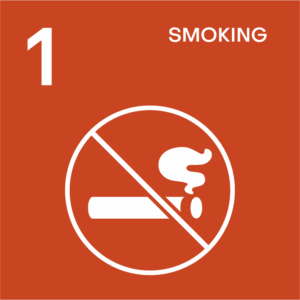
Smoking
Do not smoke. Do not use any form of tobacco, or vaping products. If you smoke, you should quit.
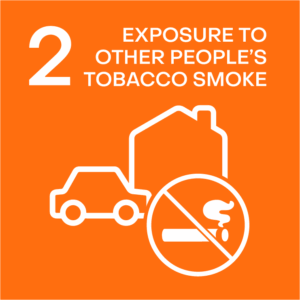
Exposure to other people’s tobacco smoke
Keep your home and car free of tobacco smoke.
Overweight and obesity
Take action to avoid or manage overweight and obesity.
Physical activity
Be physically active in everyday life. Limit the time you spend sitting.
Diet
Eat whole grains, vegetables, legumes, and fruits as a major part of your daily diet. Limit red meat, and avoid processed meat.
Sun exposure
Avoid too much sun exposure, especially for children. Use sun protection. Never use sunbeds.
Cancer-causing factors at work
Inform yourself about cancer-causing factors at work, and call on your employer to protect you against them.
Indoor radon gas
Inform yourself about radon gas levels in your area by checking a local radon map.
Cancer-causing infections
Vaccinate girls and boys against the hepatitis B virus and human papillomavirus (HPV).
Take part in testing and treatment for hepatitis B and C viruses, human immunodeficiency virus (HIV), and Helicobacter pylori.
Hormone replacement therapy
If you decide to use hormone replacement therapy (for menopausal symptoms) after a thorough discussion with your health-care professional, limit its use to the shortest duration possible.
Organized cancer screening programmes
Take part in organized cancer screening programmes for bowel cancer, breast cancer, cervical cancer, and lung cancer.
Giving policymakers the tools to prevent cancer
For the first time, the International Agency for Research on Cancer has put forward concrete recommendations for policymakers to translate the European Code Against Cancer into large-scale public policy to prevent cancer. And this is key: an estimated 1.3 million lives were lost due to cancer in the European Union in 2022 alone.
The 14 policy recommendations give policymakers, as individuals with the power to influence or determine public health policies and practices, the tools to prevent cancer at the international, European, national, regional, and local level. These policy recommendations can also be used by health professionals and civil society to advocate for policy changes towards cancer prevention. With the ECAC, we are urging policymakers to:
Our commitment to prevent cancer
The Association of European Cancer Leagues (ECL), an official supporter of the European Code Against Cancer, has been a long-standing supporter of this important initiative.
We believe prevention is one of the most powerful tools we have in the fight against cancer, and we are committed to spreading the word about ECAC5 far and wide. Together, we can make a difference.
Do you have any questions about the European Code Against Cancer, or want to help promote it? Contact us at ecl@cancer.eu